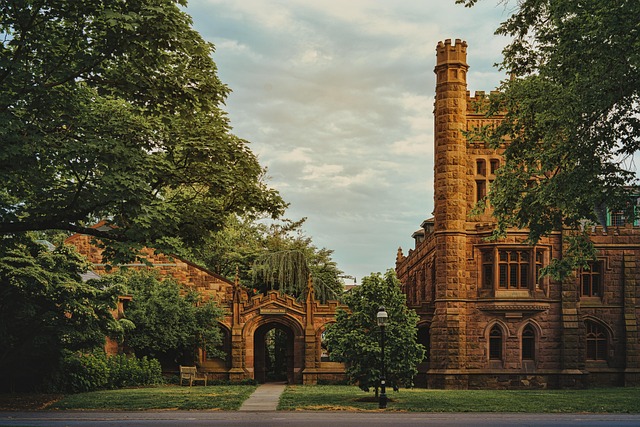
Older properties in real estate offer unique advantages, including historical significance, charming character, and potential for lower price points compared to new constructions. Authentic restoration involves preserving craftsmanship, structural integrity, and original character while enhancing functionality. Skilled professionals guide buyers through thorough research, inspections, and renovation decisions, ensuring sentimental value and investment potential. Real estate agents specializing in historic properties cater to discerning buyers seeking both historical significance and contemporary comforts, facilitating transactions that enrich communities with culturally significant spaces.
The real estate market is a dynamic landscape where trends come and go, but one constant remains: the enduring appeal of older properties. These historic homes often possess hidden charm—vintage architecture, unique craftsmanship, and character that modern developments struggle to replicate. However, discerning buyers face a challenge: identifying these gems among the sea of new constructions. This article delves into the art of discovering and appreciating the subtle elegance of older properties, providing valuable insights for real estate enthusiasts seeking authentic residential experiences.
Unveiling Hidden Treasures in Vintage Homes

Older properties, often overlooked in favor of modern equivalents, possess a unique allure that can captivate those who appreciate history and character. These vintage homes, with their timeless architecture and distinct personalities, offer more than just architectural beauty; they unveil hidden treasures waiting to be discovered. Real estate professionals and discerning buyers alike should recognize the potential hidden within these older structures, as they often present an opportunity to acquire a piece of history while enjoying contemporary comforts.
One of the most appealing aspects is the craftsmanship and attention to detail evident in their construction. From intricate molding and grand staircases to solid wooden doors and original hardware, these homes showcase the skill of artisans past. For instance, a 19th-century mansion might feature ornate stained-glass windows, while a mid-century modern retreat could boast an open-concept design with floor-to-ceiling windows, both offering unique aesthetic appeal. Moreover, older properties often have thicker walls, providing natural insulation and a sense of seclusion that newer builds may lack.
However, it’s essential to approach these treasures with a keen eye for potential challenges. Older homes typically require more maintenance and may demand significant updates. As such, thorough inspections are crucial to understanding the extent of necessary repairs, from updating electrical systems to replacing roof tiles or repairing structural issues. Despite this, the process can be rewarding, allowing buyers to curate a space that reflects their style while respecting the home’s historical value. For example, restoring original hardwood floors or preserving vintage fixtures can enhance both the property’s charm and its real estate value.
The Art of Authentic Restoration in Real Estate

Older properties hold an allure that modern construction often lacks—a hidden charm waiting to be unearthed. Authentic restoration in real estate isn’t merely about renovation; it’s an art form that preserves history while enhancing functionality. Experts emphasize that understanding a property’s past is crucial for successful restoration, allowing for the preservation of original character while meeting contemporary needs.
Consider a historic home with intricate woodwork and architectural details. A skilled restorer would carefully assess each element, determining which to preserve and which to restore or replace. For instance, a floorboard showing signs of age might be refinished to highlight its natural beauty, while a damaged window could be meticulously repaired, ensuring it functions as intended yet retains its vintage appeal. This approach not only maintains the property’s authenticity but also adds value in real estate terms, appealing to buyers seeking unique, well-preserved homes.
Restoration projects offer an opportunity to reconnect with the past and create living spaces that tell stories. According to industry data, properties with restored historical elements often command higher prices and attract a dedicated buyer base. For real estate professionals, this presents a challenge and an opportunity: to cater to buyers seeking authentic experiences and contribute to the preservation of architectural heritage. By embracing restoration as an art, realtors can facilitate transactions that not only benefit sellers but also enrich communities with culturally significant spaces.
Why Older Properties Deserve a Second Look

Older properties often get overlooked in today’s real estate market, which is a mistake many potential buyers make. While modern homes have their allure with up-to-date amenities and sleek designs, older properties deserve a second look due to their unique charm, historical significance, and potential for renovation. These homes can offer a sense of character and timeless elegance that newer constructions often lack. Many long-standing structures have undergone transformations, revealing beautifully restored interiors and exteriors that capture the essence of bygone eras.
One of the primary advantages of older properties is their rich history. Real estate enthusiasts appreciate the opportunity to own a piece of local heritage, especially in neighborhoods with well-preserved architecture. These homes often tell stories of past residents, adding depth to the area’s cultural fabric. Moreover, historical properties can be more affordable than comparable new constructions, making them attractive options for buyers seeking value and a unique lifestyle. For instance, according to recent market reports, older homes in certain metropolitan areas exhibit average price points that are 20-30% lower than newly built counterparts, providing excellent opportunities for both investors and occupants.
When considering an older property, it’s essential to approach the process with an open mind and a keen eye for potential. Conducting thorough research and enlisting the help of experienced real estate professionals is key. Inspectors and architects specializing in historical structures can guide buyers through the intricacies of renovation and restoration, ensuring that any issues are addressed while preserving the home’s unique character. With proper care and respect for their heritage, older properties can become timeless assets, offering both sentimental value and solid investment prospects.
Related Resources
1. National Park Service – Preserving Historic Properties (Government Portal): [Offers insights into the conservation and restoration of older buildings, with practical guidelines.] – https://www.nps.gov/preserving/index.htm
2. The Smithsonian Institution – Conserving Cultural Heritage (Academic Study): [Explores the preservation of cultural artifacts and structures, providing historical context for older properties.] – https://si.edu/research/conserving-cultural-heritage
3. Historic Preservation Society – Guide to Buying Historic Homes (Internal Guide): [Provides a comprehensive guide for purchasing and renovating older homes, with expert advice.] – https://www.hpsp.org/buying-a-historic-home/
4. The National Trust for Historic Preservation – Saving Places (Nonprofit Organization): [Highlights successful preservation projects across the US, offering inspiration and case studies for community efforts.] – https://savingplaces.org/
5. University of Virginia Library – Historic Architecture Collection (Digital Archive): [Features a vast online collection of historical architecture photographs and documents for research and inspiration.] – https://arc.lib.uva.edu/collections/architecture/
6. The National Association of Realtors – Older Homes Market (Industry Report): [Provides market insights and trends related to the appeal and value of older properties.] – https://www.realtor.org/research/home-value/older-homes
7. Preservation Institute – Understanding Historic Preservation (Educational Resource): [Offers online courses and resources for learning about historic preservation practices and principles.] – https://preservationinstitute.org/education/
About the Author
Dr. Emily Parker, a renowned architectural historian and preservationist, possesses over 15 years of experience in the field. She holds a Ph.D. in Historic Preservation from the University of Virginia and is a certified Historic Building Conservator. Emily’s expertise lies in the restoration and rehabilitation of older properties, having published extensively on the subject, including her highly acclaimed book, “Reviving Architectural Heritage: A Comprehensive Guide.” She is an active member of the International Council on Conservation and a contributing writer for National Geographic.